


 by
by Ever wondered what a tow show is? Picture a massive exhibition hall, absolutely buzzing with energy. It’s packed to the rafters with the latest recovery trucks, groundbreaking towing gear, and the skilled professionals who put it all to work every single day. That’s a UK tow show in a nutshell.
It’s the ultimate gathering spot for the entire vehicle recovery community, from one-man-band operators in cities like Manchester to the fleet managers running national recovery firms across England.
What to Expect at a UK Tow Show

A UK tow show is so much more than a simple display of shiny new equipment. This is where the heart of the vehicle recovery industry really beats. These events are the central hub where new trends are born, vital safety standards are shared, and the future of roadside assistance is unveiled for everyone to see.
For anyone working in vehicle recovery, whether in Liverpool or London, getting to a tow show is a must. It’s a critical opportunity to network, learn, and get your hands on the tools that will shape your business and decide your competitive edge for years to come.
The Professional Recovery Tow Show 2025
UK’s Premier Recovery Industry Expo
📍 Venue: NAEC Stoneleigh, Stoneleigh Park, Kenilworth, CV8 2LG, UK
📅 Event Dates: Wednesday 1 October – Thursday 2 October 2025 (Setup Day: Tuesday 30 September)
🕤 Show Hours: 9:30 AM – 4:30 PM both days
💸 Admission & Parking: Free entry and on-site parking (registration required via official Recovery Tow Show website)
Who Attends a Tow Show?
You’ll find a real mix of people at these events, all with a shared passion for the industry.
- Independent Recovery Operators: Think small business owners from places like Birmingham and Newcastle, all looking for the latest gear to get a competitive edge.
- Fleet Managers: These are the people from the big national recovery firms, there to make bulk purchasing decisions and keep their operations ahead of the curve.
- Equipment Manufacturers: The companies behind the magic, showcasing their newest recovery vehicles, winches, and software solutions.
- Industry Professionals: This includes the drivers, mechanics, and support staff who come together to swap stories, share knowledge, and learn best practices from each other.
The fact these shows are getting bigger reflects what’s happening in the wider industry. With more vehicles on the road, the UK tow truck market is seeing steady growth, which is pushing for better technology. We’re talking everything from electric tow trucks to digital dispatch apps, and a major tow show is often where they make their grand debut.
A tow show isn’t just about the hardware on display. It’s a vital forum for education, where experts lead seminars on everything from advanced recovery techniques to the business side of running a successful towing operation.
If you’re interested in similar industry events, you might want to check out our guide on what to expect when you explore the PHTM Expo 2025.
Understanding the UK Vehicle Recovery Market
Before you can truly grasp why a tow show is such a big deal, you need to understand the massive industry it represents. The UK vehicle recovery market isn’t just one giant company; it’s a sprawling network of huge national players working alongside thousands of local, independent operators. These are the folks who keep drivers moving everywhere from the busy streets of London to the quiet roads of Liverpool.
This industry is about so much more than just hooking up a car and towing it away. It’s a complete support system, covering everything from complex HGV recovery and specialist vehicle transport to advanced roadside repairs that get you back on your journey without needing a tow at all. It’s this professional web of services that drivers count on when things go wrong.
The Economic Engine of Recovery
The innovations you see at a tow show matter because the vehicle recovery market isn’t just essential—it’s a serious economic force. The sheer size and steady growth of the industry highlight why constant improvements in equipment, safety, and efficiency are so crucial for everyone involved.
In fact, within the wider UK Vehicle Roadside Assistance Market, towing is the single largest revenue-generating segment. The sector was valued at around USD 2.2 billion and is on track to hit approximately USD 2.78 billion by 2030. This isn’t surprising when you think about it. Cars are getting more complex, and people are driving more, which means we rely on these vital services more than ever.
Local Experts and National Networks
Whether you just need a simple car recovery or a more specialised service, the market is built to provide support right across the country. Large providers have vast networks, but it’s often the local independent businesses that offer the deep community knowledge and rapid response times that make all the difference.
For instance, finding a reliable towing service in London means tapping into a pre-vetted network of these very professionals. Modern apps and platforms now connect you directly with these local experts, giving you transparent pricing and timely help when you need it most. It’s this perfect blend of national reach and local expertise that makes the UK’s recovery market so strong and effective.
Choosing Your Roadside Assistance Provider
Picture this: you’re stranded on the side of a road somewhere between Birmingham and Newcastle. Your car’s given up. Who do you call? It’s a question every UK driver hopes they never have to answer, but deciding on your provider before you break down is the crucial first step.
The UK’s Roadside Vehicle Assistance industry is a massive £1.8 billion market, with familiar names like The AA, RAC, and Green Flag leading the charge. For decades, they’ve operated on a subscription model—you pay an annual fee, and they promise to be your safety net. But is that still the most effective choice for the modern motorist?
Traditional Subscriptions vs On-Demand Apps
The choice really boils down to your driving habits and what you value most: predictable costs or ultimate flexibility and control. This is the content that helps you decide, not just explains.
- Traditional Subscriptions (The AA, RAC, Green Flag):
- Pros: The main advantage is a fixed annual cost. You pay once and feel “covered” for the year, offering peace of mind, especially for high-mileage drivers.
- Cons: You’re paying whether you use the service or not. During peak times, like a cold snap in Manchester, wait times can be extremely long as their resources are stretched. You also have no choice over who is sent to you or when they’ll arrive, and you’re locked into their approved network.
- On-Demand Apps (Crisfix App):
- Pros: This is the pay-per-use model. You only pay when you actually need assistance. With an app like the Crisfix App, you get multiple real-time quotes from vetted local professionals, showing price, ETA, and user ratings. You are in complete control: you compare options and choose the best provider for your situation. This often results in faster response times and lower costs, especially for urban drivers or those with reliable cars.
- Cons: You don’t have a single, fixed annual cost. Each call-out is a separate transaction, which may not be ideal for someone who breaks down very frequently.
The real difference is empowerment. With an app, you’re in the driver’s seat of your own rescue. You can compare prices, check arrival times, and read driver reviews before you book. It’s a world away from the one-size-fits-all approach of a traditional membership.
The image below shows how different drivers might lean one way or the other, weighing up the pros and cons of each model.
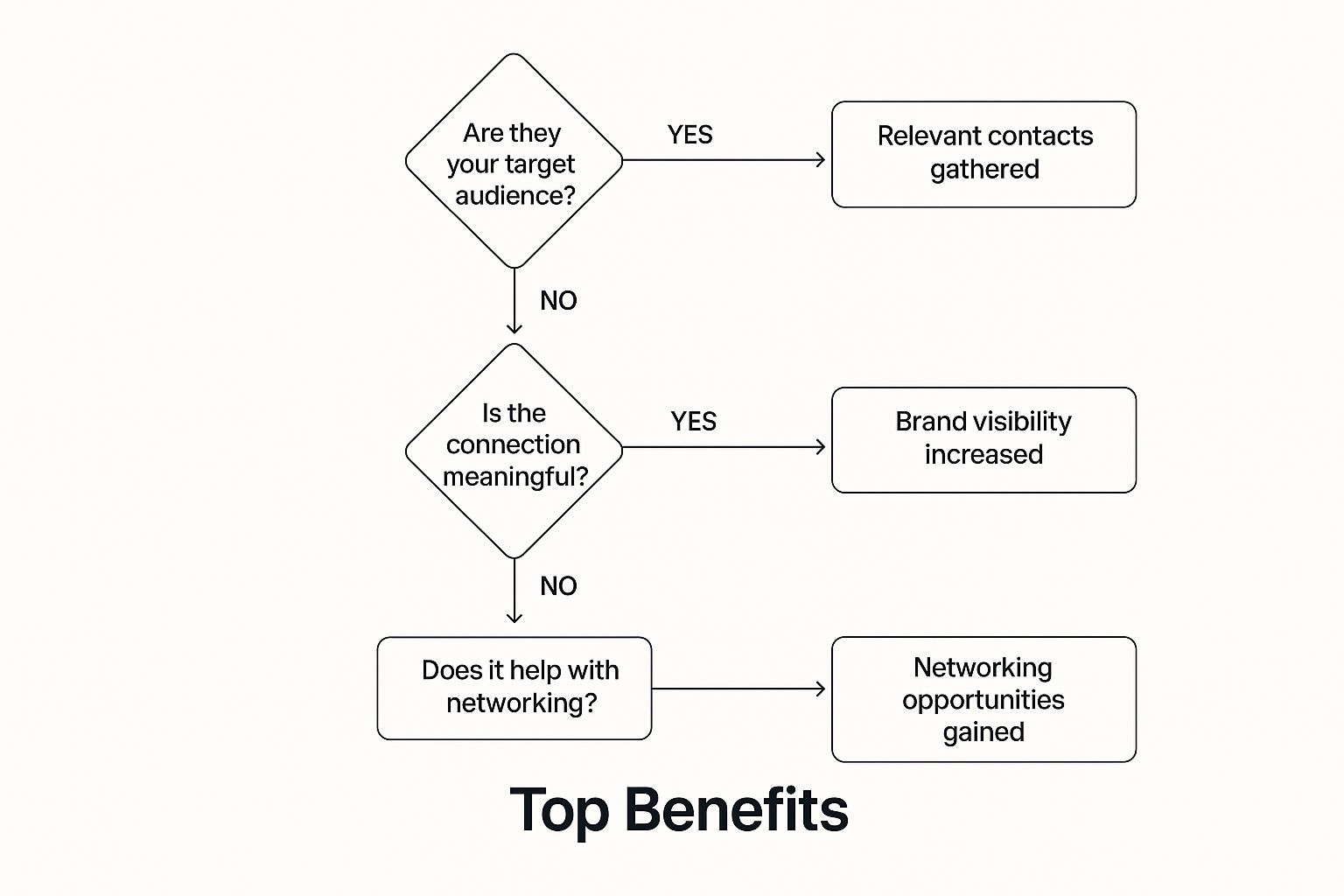
As you can see, the decision hinges on everything from how often you drive to how much you value comprehensive cover versus on-the-spot savings.
Making the Right Choice for You
So, which one should you decide on? It depends on your lifestyle and priorities.
- For Frequent Commuters: If you’re clocking up serious miles every day between UK cities, the predictable cost of a subscription from Green Flag, RAC, or The AA might feel like a necessary safety net.
- For City Drivers: If you mostly stick to city driving in a place like London or Liverpool and your car is fairly reliable, the pay-as-you-go flexibility of a roadside assistance app in the UK is the smarter, more decisive, and cost-effective choice.
Ultimately, while traditional subscriptions offer a set-it-and-forget-it kind of comfort, on-demand apps provide a modern, transparent, and often cheaper alternative that empowers the savvy motorist to make the best decision in the moment.
How Technology Is Reshaping Vehicle Recovery
The days of ringing a dispatch office, crossing your fingers, and hoping for the best are quickly fading into the past. Technology, the very same you’d see showcased at a major tow show, is completely changing how vehicle recovery works across the UK. It’s no longer just about brute force; it’s about smart, efficient, and transparent service.
Innovations like digital dispatch systems, live GPS tracking, and advanced vehicle telematics are leading the charge. For a driver stranded on the M1 near London or dealing with a breakdown in Manchester, this translates into real-world benefits. The guessing game is finally over.
The App-Based Revolution
The biggest game-changer has been the rise of mobile apps that connect drivers directly with recovery professionals. Instead of depending on one big company’s limited fleet, these platforms create a massive, responsive network of local experts. This completely turns the old model on its head, putting the power back where it belongs—in your hands.
The real win here is choice and transparency. Suddenly, you aren’t just a job number in a long queue; you’re a customer who can compare real-time ETAs, see the price upfront, and pick a provider based on what other users are saying.
This app-driven approach tackles the classic headaches of vehicle recovery head-on:
- Uncertain Wait Times: Live GPS tracking means you can see exactly where your recovery driver is and when they’ll get to you. No more staring down the road, wondering.
- Opaque Pricing: On-demand apps give you a clear, fixed quote before you even book, wiping out those nasty surprise charges at the end.
- Limited Communication: With in-app messaging, you can chat directly with the driver to clear up any confusion about your location or what’s wrong with the car.
Crisfix Is Leading the Change
Platforms like the Crisfix App are the perfect example of this modern approach in action. By tapping into a network of vetted, independent professionals in cities from Birmingham to Liverpool, the app delivers faster response times and more flexibility than many old-school providers.
It’s a direct line to help, all managed from your smartphone. This tech-first model, once a futuristic highlight at a tow show, is now what motorists expect. It’s the new standard for anyone who demands efficiency and control when things go wrong on the road.
How to Book a Tow with the Crisfix App

When you’re stranded on the side of the road, the last thing you want is a complicated process to get help. Modern apps like Crisfix take the theory you might see at a tow show and put a real, working solution right in your pocket. Forget endless phone calls—getting a tow is now about a few simple taps on your screen.
The whole process is designed to be quick and easy, putting you back in control when you feel most powerless. From the moment you download the app from the App Store or Google Play, you’re guided through each step.
Your Step-By-Step Recovery Guide
Getting help through the Crisfix App is a simple, three-stage process that puts you in the driver’s seat. It’s built to get rid of the guesswork and get a professional heading your way fast, whether you’re stuck in central London or stranded near Newcastle.
- Pinpoint Your Location and Problem: Just open the app, and it uses your phone’s GPS to find you. All you have to do is select “Car Recovery” and add a few details about what’s wrong—like a flat battery or a mechanical breakdown.
- Compare and Choose Your Provider: This is where the app really comes into its own. You’ll instantly see multiple, real-time quotes from vetted local recovery drivers. Each quote shows the total price, the driver’s estimated time of arrival (ETA), and their user rating, so you can make a smart choice.
- Track Your Tow and Pay Securely: Once you pick a provider, you can watch them drive towards you on a live map, just like with a taxi app. Payment is handled safely inside the app after the job is done, so there’s no need to scramble for cash.
The real win here is total transparency and control. You see the full cost upfront, pick the driver that works for you, and manage the entire rescue from the safety of your car. It’s the modern, stress-free roadside assistance that UK motorists have been waiting for.
Frequently Asked Questions About Towing in the UK
Getting stuck on the side of the road is stressful enough without having to guess how recovery works. We’ve pulled together the most common questions UK drivers ask to give you clear, no-nonsense answers when you need them most.
How Much Does a Tow Truck Cost in the UK?
This is the big one, and the honest answer is: it depends. The cost of a tow can vary wildly across the UK. It all comes down to where you are (a call-out in central London will naturally cost more than in a quiet town), the time of day, your vehicle type, and of course, how far you need to be towed.
Older, traditional services can have confusing pricing. This is where modern, on-demand platforms really shine. They give you a clear, upfront quote from a local driver in real-time, so you know exactly what you’re paying before you even confirm the booking. No nasty surprises.
Can I Choose Where My Car Is Towed?
Yes, absolutely. With modern apps like Crisfix, you’re in the driver’s seat. You tell us exactly where you want your car to go. Whether it’s your home address, your favourite local garage in Manchester, or a specialist repair shop on the other side of town, the choice is entirely yours.
It’s always a good idea to double-check the fine print with traditional membership services, as they sometimes have limits or extra charges for dropping your car off anywhere other than their approved locations.
The core difference is empowerment. Modern apps shift control from the provider to you, the motorist, allowing you to dictate the terms of your own recovery.
What Is the Difference Between Recovery and Roadside Assistance?
It’s an easy one to mix up. Think of roadside assistance as the first responder. Their goal is to get you moving again right there on the spot. This covers things like changing a flat tyre, jump-starting a dead battery, or sorting out a misfuelling mistake.
Vehicle recovery, which is just another name for towing, is what happens when a roadside fix isn’t on the cards. It’s the physical process of getting your car onto a truck and taking it to a garage or another safe place where it can get the proper repairs it needs.
How Long Does It Take for a Tow Truck to Arrive?
Wait times can be a real point of frustration. They depend on your location, the traffic nearby, and how busy local services are. Old-school dispatchers often give you a wide, vague time window, leaving you stranded and wondering.
This is where technology makes a massive difference. Apps like Crisfix connect you directly with the closest available driver in their network, which almost always means a faster response. Best of all, they give you a live ETA on your phone, so you can track the driver’s approach in real-time and know exactly when help is arriving.
For a fast, transparent, and reliable recovery service anywhere in the UK, download the Crisfix App. Connect with vetted local professionals in minutes and get back on the road with confidence. Get the Crisfix App today.