

 by
by The rumours are true: Lyft is buying the taxi app FREENOW. This is a huge move, shaking up the UK’s ride-hailing and taxi world by merging a US tech giant with a network that has deep roots in local taxi services across England. For passengers in London and Manchester, and for the taxi industry nationwide, the critical question is: what does this deal decide for the future of UK transport?
How The Lyft-FREENOW Deal Reshapes The UK Taxi Market

Make no mistake, Lyft’s takeover of FREENOW is much more than a simple corporate buyout. It’s a calculated play to break into the notoriously complex UK transport market. This deal is set to directly impact how taxi services run, compete, and grow, especially in major hubs like London, Manchester, Birmingham, and Liverpool.
In May 2025, Lyft sealed the deal, acquiring FREENOW for a reported €175 million. This single move practically doubles its global footprint. The real prize for Lyft is FREENOW’s solid foothold in over 150 cities, including key UK locations like Newcastle and Birmingham, built on a model where about 90% of its bookings come from licensed taxis. It’s a taxi-first approach, and it’s the core asset Lyft wants to leverage.
This merger is all about combining Lyft’s sophisticated app technology with FREENOW’s hard-won relationships with local taxi fleets and UK regulators. The endgame? To build a more dominant, integrated service that can seriously challenge rivals like Uber, Bolt, and Addison Lee right on their home turf.
Quick Impact Summary Of The Lyft And FREENOW Deal
This table gives a bird’s-eye view of how the acquisition will likely affect the key players in the UK taxi game, helping you decide on your next move.
| Stakeholder | Anticipated Short-Term Impact | Primary UK Locations Affected |
|---|---|---|
| UK Passengers | The FREENOW app will work as usual for now. Down the line, you can probably expect new features, more consistent pricing, and quicker matching with drivers. | London, Manchester, Birmingham, Liverpool, Newcastle |
| FREENOW Taxi Drivers | No immediate changes to commissions or day-to-day operations. Lyft’s tech might bring in better earnings transparency and live demand data, but also raises questions about future fee structures. | All current FREENOW operating areas in England. |
| UK Competitors | Much tougher competition from a well-funded, tech-savvy player. This will almost certainly push apps like Uber, Bolt, and Addison Lee to innovate or risk losing market share. | Nationwide, with the biggest impact in major cities. |
The bottom line for the UK taxi industry is that this isn’t just another app merger. It represents the fusion of American ride-hailing tech with the traditional British black cab and licensed taxi ecosystem. This combination is poised to completely reshape how we get around our cities.
This kind of strategic shift isn’t new; it mirrors other big changes in local markets, like when Manchester’s Mantax black cabs rebranded as ComCab Manchester to consolidate their network. For both passengers and drivers, staying on top of these industry-wide moves is key to navigating the road ahead.
Understanding The Key Players: Lyft, FREENOW, And Crisfix
To decide which app is right for you, it’s worth understanding their core purpose. The market recently shifted, so we’re not just talking about FREENOW anymore; we’re talking about a new powerhouse: Lyft-owned FREENOW. This move blends Lyft’s global tech savvy with FREENOW’s solid UK reputation, a service that has long been a favourite among traditional taxi drivers.
This merger has really shaken up urban transport. Even before the acquisition, FREENOW had a strong foothold as a top taxi app in cities like London, Manchester, and Birmingham. Its model was always built around licensed taxis, playing well with UK regulations for black cabs and other licensed operators, which no doubt made it a smart buy for Lyft. You can get a deeper dive into why this deal is a big deal by checking out the Lyft and FREENOW analysis on hightechinvesting.substack.com.
Different Missions For Different Needs
While Lyft and FREENOW are laser-focused on getting passengers from A to B, the Crisfix App operates with a much broader, more practical goal in mind. It isn’t just another ride-hailing app fighting for space; it’s designed from the ground up as a UK-centric mobility and assistance platform for both the taxi and towing industries.
What makes Crisfix different is how it bundles on-demand taxi services with essential roadside support. That means you can use the same app to book a ride to the airport and, if things go wrong, request emergency vehicle recovery from a vetted local provider. This multi-service approach carves out a very distinct and useful niche in the UK market, directly competing not just with taxi apps like Uber and Bolt, but also with roadside assistance providers like The AA, RAC, and GreenFlag.
Core Market Focus
When you boil it down, the strategic split between these services is crystal clear. Lyft/FREENOW is busy building a massive network for smooth urban travel in England. Their main goal is to give you the same reliable ride-hailing experience whether you’re in London, Liverpool, or across the pond in New York. Global consistency is their big selling point.
In contrast, Crisfix App offers a grounded, all-in-one solution built specifically for the day-to-day realities of UK life. Its value isn’t in global reach, but in local, hands-on usefulness in cities like Manchester, Birmingham, and Newcastle.
Crisfix acts as a single point of contact for a whole range of needs, from a quick cab ride home to dealing with unexpected car trouble on the M6. For anyone who wants a dedicated platform that decides the solution, not just explains the problem, the integrated services offered by our official taxi app are a compelling alternative. This focus on combining assistance with transport makes it an incredibly practical tool for anyone navigating UK roads, whether you’re a passenger or behind the wheel yourself.
Feature And Service Comparison For UK Users
So, the big news is out: Lyft bought FREENOW. But what does that actually mean when you need to decide how to get from A to B? Forget the corporate announcements for a moment. Let’s dig into a real-world comparison of what the newly merged Lyft/FREENOW offers versus the all-in-one Crisfix App.
This is about practical, everyday use for people in England.
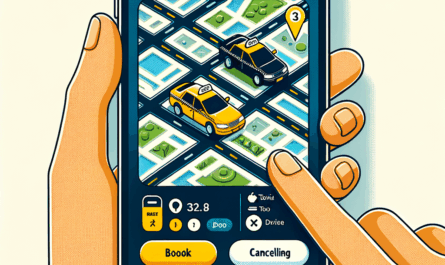
The infographic below gives a quick snapshot of what you can expect from modern taxi apps – from booking a ride to paying for it. Efficiency and ease are the name of the game.
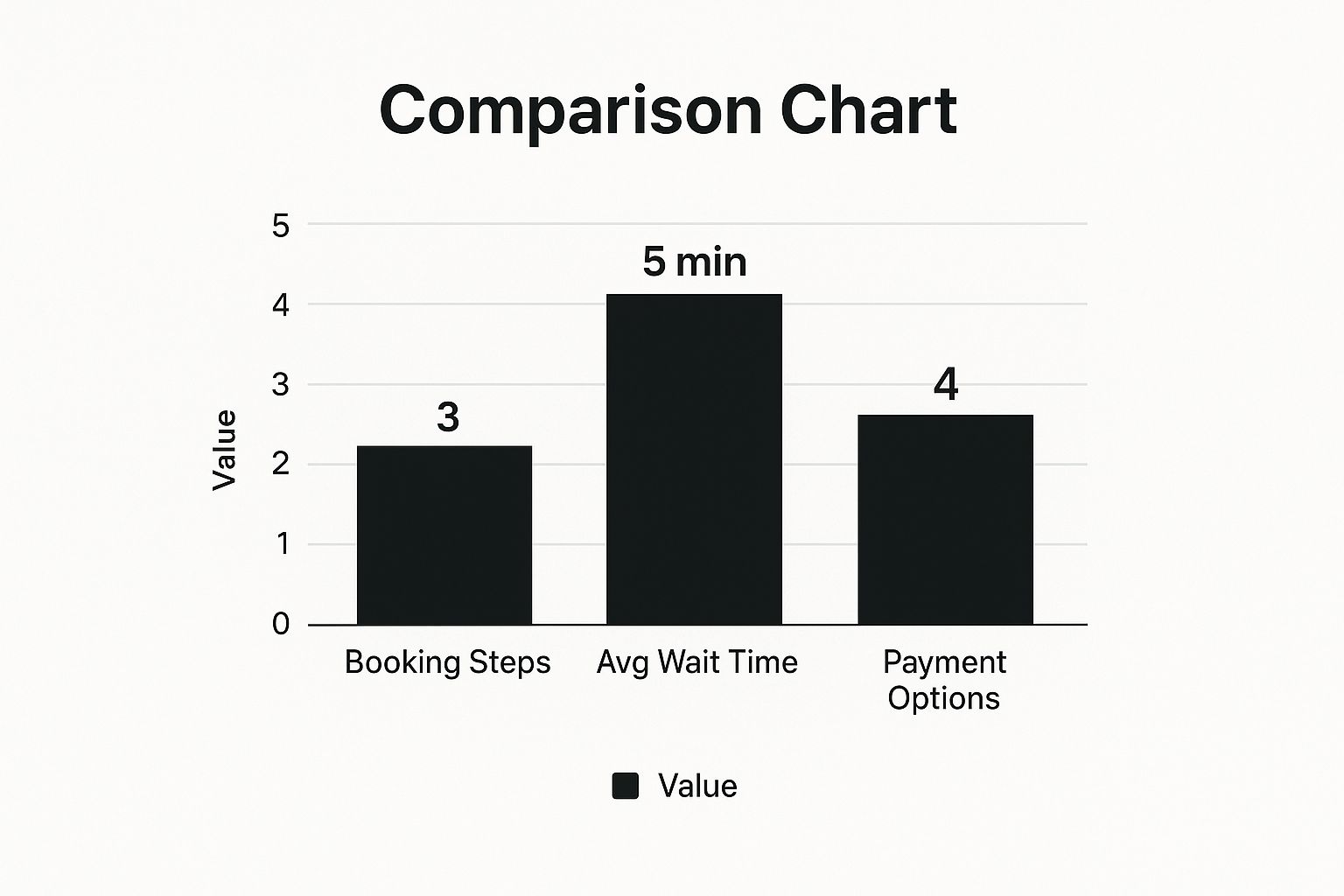
As you can see, a few taps are all it should take to get you moving. Now, let’s see how our contenders stack up in the details to help you make a buying decision.
Booking Flexibility And Vehicle Options
Right off the bat, a clear difference emerges in how you book and what you can book. Lyft/FREENOW is a powerhouse for on-demand city transport. It’s built on FREENOW’s solid network of licensed black cabs and private hire vehicles, especially in major hubs like London and Manchester.
Their strength? Getting you a quick, standard ride in a busy city centre. Competitors like Uber and Bolt offer a similar model, but FREENOW’s advantage has always been its strong relationship with traditional black cab fleets. Pre-booking for that early morning airport run is, of course, a standard feature.
Crisfix, on the other hand, plays a completely different game. Yes, it connects you with licensed local taxis for immediate and scheduled trips. But that’s just the start. The app is built to be your go-to companion for anything that happens on the road, directly challenging the towing industry’s traditional players.
It’s more than just a taxi app; it’s a multi-service platform.
- Taxi Services: Book a local licensed cab, competing with Uber, Bolt, and Addison Lee.
- Roadside Assistance: Stranded? Request emergency towing or recovery, a direct alternative to RAC and The AA.
- Mobile Repairs: Get services like tyre fitting brought directly to you, a modern solution compared to traditional garages.
Think about it this way: the same app you use to get a taxi to the station in Liverpool is the one you’d use if you got a flat tyre on the M62. It’s daily convenience and emergency support, all in one place.
UK Taxi App Feature Comparison Lyft FREENOW vs Crisfix
| Feature/Service | Lyft / FREENOW (Post-Acquisition) | Crisfix App |
|---|---|---|
| Primary Focus | Urban ride-hailing (taxis, private hire) | Multi-service platform (taxis, breakdown, mobile repairs) |
| Vehicle Types | Licensed Black Cabs, Private Hire Vehicles (PHVs) | Licensed Taxis, Tow Trucks, Mobile Repair Vans |
| On-Demand Booking | Yes, core feature for immediate rides | Yes, for all services including taxis and assistance |
| Pre-Booking | Yes, for scheduling future trips | Yes, for scheduling taxis and other vehicle services |
| Roadside Assistance | No | Yes, core feature (towing, recovery) |
| Mobile Vehicle Repairs | No | Yes, core feature (tyre fitting, etc.) |
| Target User | City commuters, business travellers, tourists | UK drivers and passengers in England seeking a single app for transport and vehicle care |
| Special Feature | Potential for seamless integration with US Lyft accounts | All-in-one roadside and transport solution |
| Pricing Model | Standard taxi fares, potential for dynamic/surge pricing | Fixed, council-approved rates for taxis; transparent pricing for other services without surge |
This table really highlights the fundamental difference in philosophy. One is a specialised tool for getting around cities, while the other is a complete toolkit for UK vehicle owners.
Payment Systems And User Experience
When it comes to paying, both platforms offer the slick, in-app experience we all expect now—credit cards, debit cards, and digital wallets are all covered. It’s a cash-free world, and both apps deliver that convenience.
The Lyft/FREENOW merger has a potential ace up its sleeve for international travellers. A tourist from the US could, in theory, land at Heathrow and use their existing Lyft account to pay for a cab, making for a truly seamless cross-Atlantic journey.
But the real story isn’t about how you pay, it’s about what you’re paying for.
The core differentiator isn’t the payment method, but the payment’s purpose. With Lyft/FREENOW, you pay for a ride. With Crisfix App, you can pay for a ride, a tow, a tyre change, or a mobile car wash—all through one secure, vetted, and transparent system.
Crisfix zeroes in on what many UK users value most: predictability. It operates on clear, council-approved rates, steering clear of the surge pricing that can turn a cheap ride into an expensive one. This focus on consistency appeals to locals who need reliable pricing, whether for a taxi home from the pub in Birmingham or for an unexpected breakdown near Newcastle. The experience is about dependable, local service that decides the outcome for you.
Let’s talk about what really matters: how much a ride costs you, and how much a driver actually takes home. When you peel back the layers of how each app handles money, you get a clear picture of their entire philosophy. It’s what helps you decide who offers the best value and, just as importantly, who you can trust.
The recent Lyft buy taxi app FreeNow deal has thrown a fascinating curveball into the mix, blending a classic UK taxi model with the more aggressive economics of American ride-hailing.

So, what does this mean for passengers in cities like London and Manchester? For now, the Lyft/FREENOW service seems set to honour the metered fares of licensed black cabs. That’s always been a cornerstone of the FREENOW model, and it’s a smart move for Lyft to keep it.
But here’s the catch. It’s highly likely we’ll see Lyft’s dynamic pricing algorithms creep into the private hire side of the business. That’s the system that hikes up prices when demand is high, a common feature of competitors like Uber and Bolt.
For drivers, it all comes down to the commission skimmed off each fare. FREENOW built its reputation on a competitive commission to get professional drivers on board. As the Lyft integration deepens, every driver will be watching to see if that changes. Lyft loves its tiered commissions and bonus schemes, which could shake things up significantly.
A Practical Price Comparison: Manchester Airport
To make this real, let’s look at a classic journey: a ride from Manchester Airport (MAN) to Manchester Piccadilly Station. This route is a perfect test case for what you’ll actually pay and what a driver will earn. For context, the 17:00 TransPennine Express train takes 20 minutes and costs around £4.20.
- Lyft/FREENOW (Black Cab): Your fare will be on the meter, plain and simple. It’s predictable. You’re looking at around £25-£30, traffic permitting. The driver then pays a commission from that fare back to the platform.
- Lyft/FREENOW (Private Hire): This is where it gets tricky. Off-peak, you might snag a cheaper fare. But during rush hour or on a Saturday night? That price could surge, potentially costing you more than a black cab. It’s a gamble—potential savings, but zero certainty.
- Crisfix App: When you book a licensed taxi through the Crisfix App, you pay the official, council-approved rate. Full stop. There is no surge pricing, ever. Your fare is stable and predictable, just like a black cab, but with a solid guarantee that you won’t get hit with surprise fees when you need a ride the most.
The real difference boils down to one word: predictability. Lyft/FREENOW is heading towards a model of variable pricing that changes with demand. Crisfix, on the other hand, is committed to stable, council-approved fares. Both riders and drivers know exactly where they stand financially, right from the start.
This commitment to honest pricing makes a huge difference. For drivers using Crisfix, it means their earnings aren’t chipped away by unpredictable platform fees. It also helps them build trust with passengers, who know they won’t be taken for a ride—literally. This decisive pricing model helps you make a clear buying choice.
UK Coverage And Operational Footprint
An app’s real value comes down to one simple question: “Can I actually use it where I am, right now?” When you put Lyft/FREENOW and Crisfix side-by-side, their operational maps tell two completely different stories about their UK strategy. Which one is better really depends on where you live in England and what you need from the service.
The Lyft buy taxi app freenow deal instantly gives Lyft a powerful foothold in the UK’s biggest cities. FREENOW earned its stripes by building a dense network of licensed taxis in places like London, Manchester, Birmingham, and Liverpool. For anyone living or working in these major hubs, the service is a familiar and reliable choice.
That urban dominance is a massive advantage. Lyft isn’t starting from zero; it’s inheriting a fully-formed network of professional drivers who know the city streets of England inside and out. This means if you’re in a major UK city, hailing a ride will feel just as dependable as it always has.
A Tale Of Two Strategies
Lyft’s 2025 acquisition of FREENOW is a strategic play to merge its North American tech with FREENOW’s deep European roots. Getting a handle on the UK’s tight regulations and strong taxi unions is crucial, and FREENOW’s existing relationships with local regulators are a huge asset. With half of all taxi bookings still happening offline, this deal cleverly combines Lyft’s slick algorithms with FREENOW’s trusted fleet technology, as you can explore in more detail by reading about Lyft’s global ambitions on ainvest.com.
The fundamental difference is this: Lyft/FREENOW’s power is concentrated in busy urban centres like London and Manchester. Crisfix, on the other hand, was built to offer a much broader, more evenly spread UK-wide support network for both city and suburban life in England.
While Lyft/FREENOW focuses on mastering the city commute, Crisfix casts a wider net. Its network is designed to provide not just taxi rides but also vital roadside assistance across a much larger slice of the country. This means someone in a smaller town outside Newcastle or a quiet suburb of Birmingham can still rely on it.
This approach makes Crisfix a more versatile tool for the average UK resident. Whether you just need a lift home from the pub or you’ve broken down on a quiet A-road, the app is designed to help. If you’re wondering about local availability, our guide on finding a reliable cab service near me can give you some more specific pointers. For anyone living outside the big city limits of England, that wider operational footprint provides a safety net that a city-focused app just can’t offer.
Which UK Taxi App Is Right For You?

So, how do you decide? It’s not about which app is “best” overall, but which one fits your needs in the UK. The lyft buy taxi app freenow partnership has shaken things up, creating a clear choice between a global ride-hailing powerhouse and a UK-first, multi-service platform. This guide helps you make the buying decision.
Let’s get straight to the point. By understanding who each service was built for, you can make a call that actually suits your life in England.
For The International Traveller And Urban Commuter
If your life involves bouncing between major cities, especially across the Atlantic, then the combined Lyft and FREENOW ecosystem is practically built for you. Think about it: you land at London Heathrow after a flight from New York and can book a black cab using the exact same app and payment details you use back home. No friction, no fuss.
This kind of seamless experience is a game-changer for tourists and business travellers living and working primarily within big urban hubs like Manchester or Birmingham. Competitors like Uber offer a similar global network, but the Lyft/FREENOW deal specifically strengthens the link between the US and UK taxi markets.
- Best for: Regular flyers, tourists visiting the UK, and professionals commuting within major cities like London.
- Primary Benefit: A single, unified app experience across international borders and a dense driver network in England’s biggest urban centres.
For anyone who needs to get from Heathrow to a hotel and then do it all again in New York a week later, the integrated Lyft/FREENOW service is unbeatable. Its strength is providing a consistent, reliable ride-hailing experience across a massive, city-focused network.
For The Practical UK Resident And Driver
On the other hand, if your life is firmly planted in the UK and you value everyday practicality over global roaming, Crisfix offers a far more complete package. It’s an app designed for the realities of UK living, where your transport needs might be a taxi one day and emergency roadside help the next.
Picture a freelance driver in Birmingham or a family living in Newcastle. For them, having one app to book a cab to the station and get a flat tyre fixed on the M1 is incredibly useful. It’s a genuine one-stop shop for getting around and keeping your own vehicle on the road, an alternative to juggling apps from Uber, The AA, and local garages.
- Best for: UK residents, vehicle owners, and families living in cities like Manchester, Liverpool, or Birmingham, as well as suburban or regional towns in England.
- Primary Benefit: An all-in-one platform that combines transport with essential vehicle services, giving you a practical safety net that decides the best solution for whatever the day throws at you.
This is where the decision gets simple. Do you need a specialised app just for city travel, or a versatile toolkit for all aspects of UK life? Your answer points you directly to the right app.
Your Questions Answered
Whenever a big player like Lyft snaps up a service like FREENOW, it’s natural to have a few questions. Let’s cut through the noise and get straight to what this Lyft and FREENOW deal means for you, whether you’re a rider or a driver in London, Manchester, or anywhere else in the UK.
Do I Need to Download a New App Now?
Relax, you don’t need to change anything just yet. For now, you can carry on using the same FREENOW app you already have on your phone. The service and brand are staying put during the transition.
If and when they decide to merge apps or roll out a new platform, they’ll give everyone in the UK plenty of warning. You won’t be left scrambling.
How Will This Affect Black Cab Fares in London?
This is a big one. FREENOW’s solid partnership with London’s iconic black cabs is a huge part of its appeal, and that’s not expected to change. Fares for black cabs booked through the app should still follow the official Transport for London (TfL) meter.
However, keep an eye out for changes. Lyft is known for its dynamic pricing models, so it wouldn’t be a surprise if they introduce surge pricing for other vehicle types during busy periods, similar to Uber or Bolt. That’s the key thing to watch.
I Drive for FREENOW – Is My Commission Rate Going to Change?
Both companies have made it clear that keeping drivers happy is a top priority. Right now, there have been no announcements about changing commission rates for drivers in London, Manchester, or other UK cities.
That said, as the two companies blend their operations, Lyft will probably look to standardise how drivers earn. The best advice? Keep a close eye on official updates from FREENOW and Lyft as things move forward.
If you’re tired of the guesswork and just want a straightforward, reliable app built for UK roads, give Crisfix App a try. It brings together licensed taxis, roadside assistance, and transparent pricing—all in one place. No surge surprises, just dependable service that decides the best solution for you.
You can download the Crisfix App today and see for yourself.